How prepared is your district for the opioid crisis? Find out in 5 minutes.
The challenge facing every district
The opioid crisis isn't outside your school walls. It's already affecting your students
Outdated curricula
Unprepared staff
Reactive, not proactive
Built around the realities of district leadership.
Evidence-based & expert-developed
Curriculum rooted in the latest scientific research, developed by leading public-health and education specialists.
Integrated social-emotional learning
Every lesson builds critical SEL skills — decision-making, empathy, and peer-pressure resistance.
Flexible & accessible
Self-paced online modules, accessible anywhere, on any device, at any time.
Seamless LMS integration
Plug into your existing Learning Management System for attendance tracking and assessments.
Customizable & scalable
Adapt to your district's grade levels, demographics, and policy context — at any scale.
Continuously updated
The crisis evolves. So does our content. Stay ahead with regular curriculum updates.
From reactive crisis management
to proactive prevention.
Without a structured program
- ×Outdated, fragmented drug education materials
- ×Staff feel unprepared to address opioids
- ×Anxious response to incidents, not prevention
- ×Limited measurable impact on student decisions
- ×Community concern about district preparedness
With the Yess Academy program
- ✓Comprehensive, evidence-based curriculum across all grades
- ✓Trained, confident educators with full support resources
- ✓Proactive prevention with measurable outcomes
- ✓Students equipped to recognize risks & resist pressure
- ✓District recognized as a leader in student well-being
Common questions from district leaders.
How does this program integrate with our existing curriculum?
What grade levels is the program designed for?
How long does it take to implement district-wide?
Is the content aligned with our state's health-education standards?
What kind of training and support do you provide?
Can the curriculum be customized for our district?
How do you measure program effectiveness?
What does pricing look like, and are grant funding options available?
Does the program integrate with our LMS?
How is the curriculum kept up to date?
Sneak peek of our 5-Level Opioid Awareness & Education course
The Basics
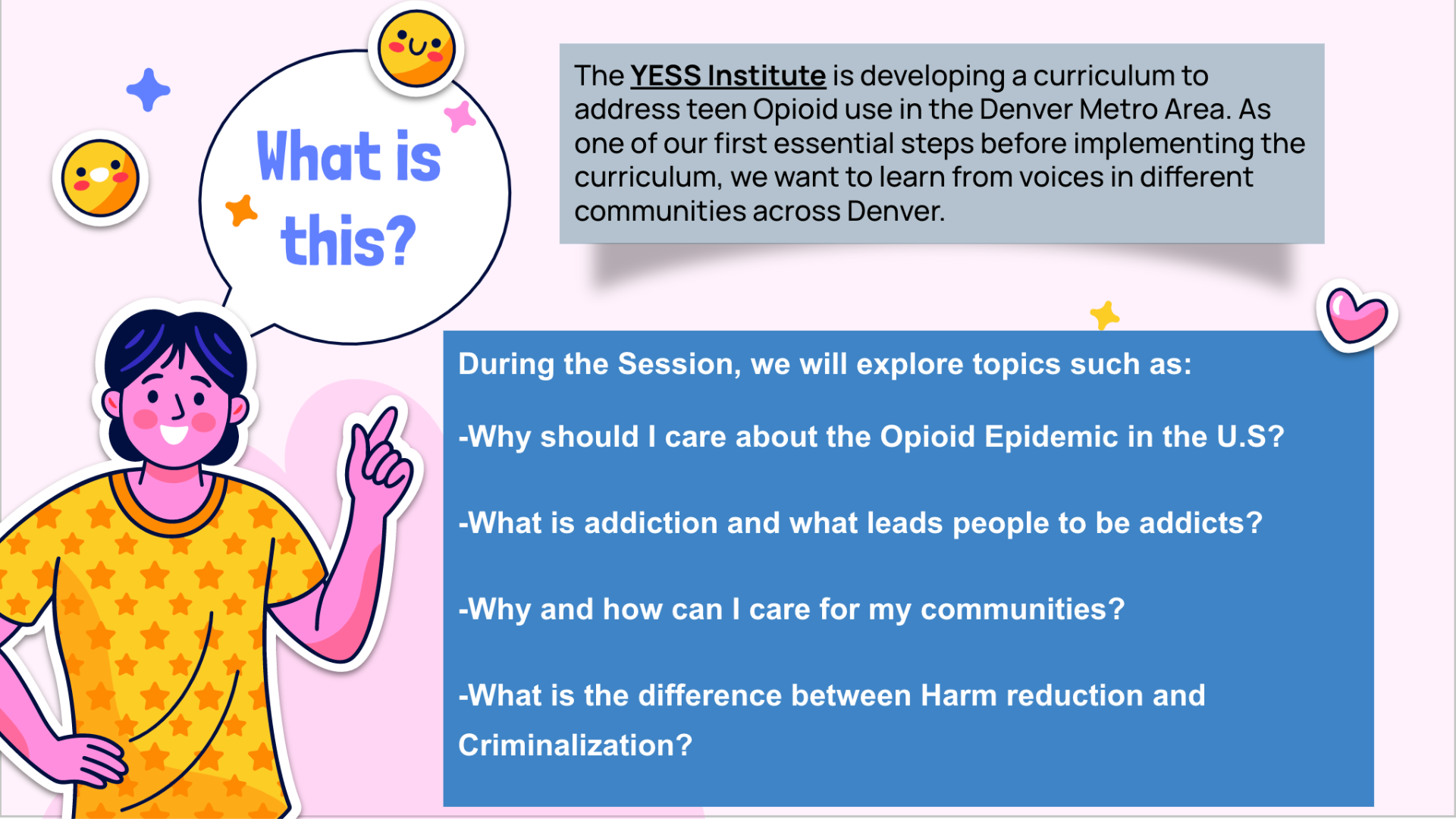
1. Students begin by reviewing the purpose of the course, and go over the topics to be explored throughout the course.
2. Students then learn about the concepts of Upstander, Bystander, and Confident. They learn how to identify to be each term in a tough situation.
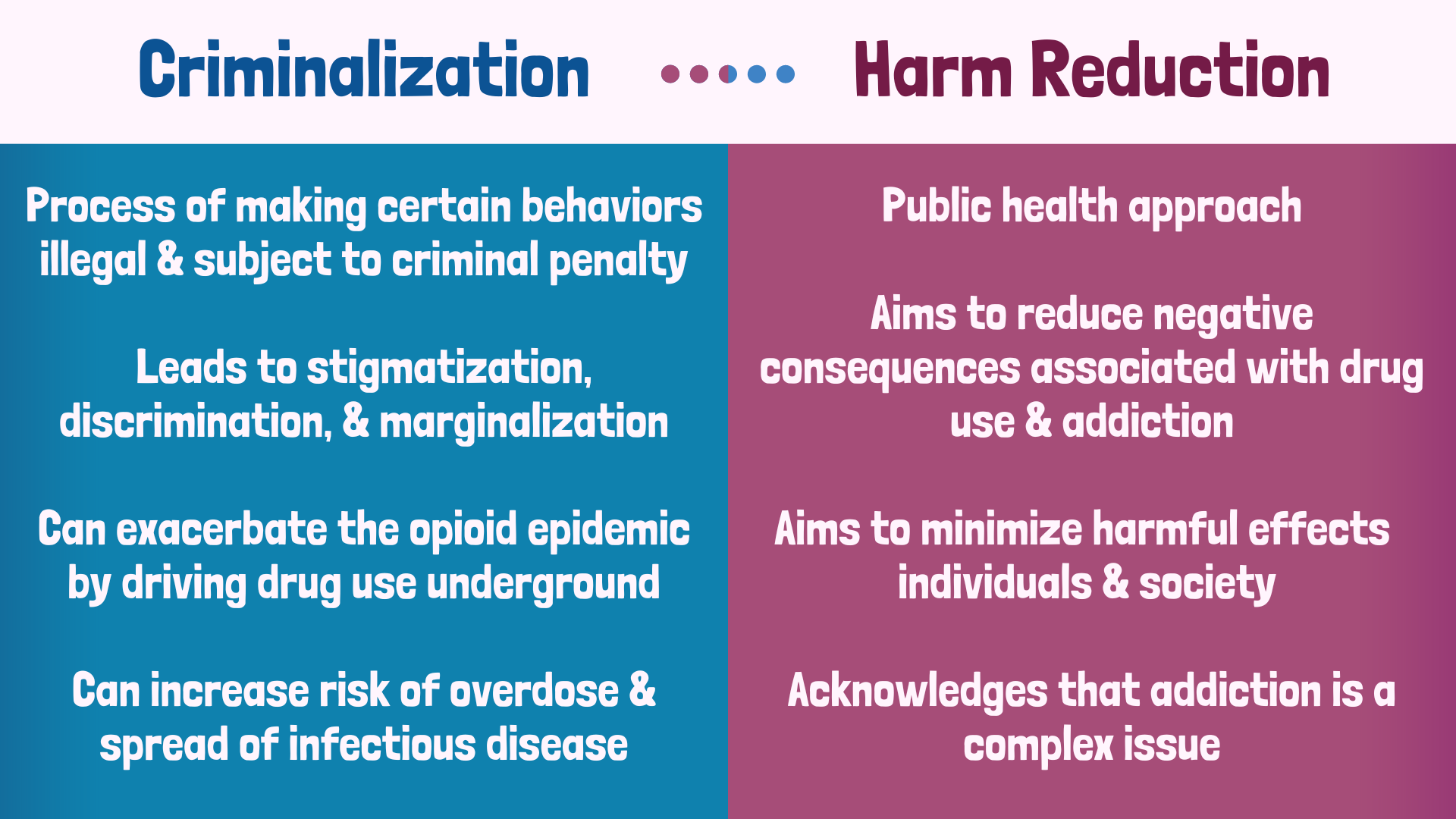
3. The concepts of Criminalization vs De-criminalization are discussed through arguments for/against strong policing or safe drug policies.
The Basics
1. Level 2 starts with a lesson on the history of the War on Drugs in the United States, and explore how it has impacted their personal lives.
2. Discussing the historical impact of drugs helps students understand how we react to drugs as a society.
3. By understanding the history of opioids specifically, students learn about the development of opioid addiction.
4. Students also learn how to protect themselves and their community by learning signs of overdose and by understanding the use/purpose of Narcan.
5. Finally, students begin to explore how opioids impact their communities, and ways they can fight back.
The Basics
1. Students learn about key examples in society of Fentanyl overdose (e.g., Mac Miller) in order to connect the present day dangers to lived experiences.
2. Level 3 also goes through misperceptions of information: identifying where to get reliable information.
3. Exploring the effects of social media, trusted adults, news sources, etc. helps students identify trusted adults in their lives and explore how social media impacts their mental health.
4. Next, students start exploring opioid effects on the body.
5. Finally, practicing "How do I say no?" scenarios helps students determine the right choice for them when facted with tough situations.
The Basics
1. Level 4 begins with a lesson about that a sense of 'belonging' (versus 'fitting in') is and how it can help us on a daily basis.
2. Students begin to explore how brain development can impact health and/or addiction, and determine what strategies are helpful to build healthy habits.
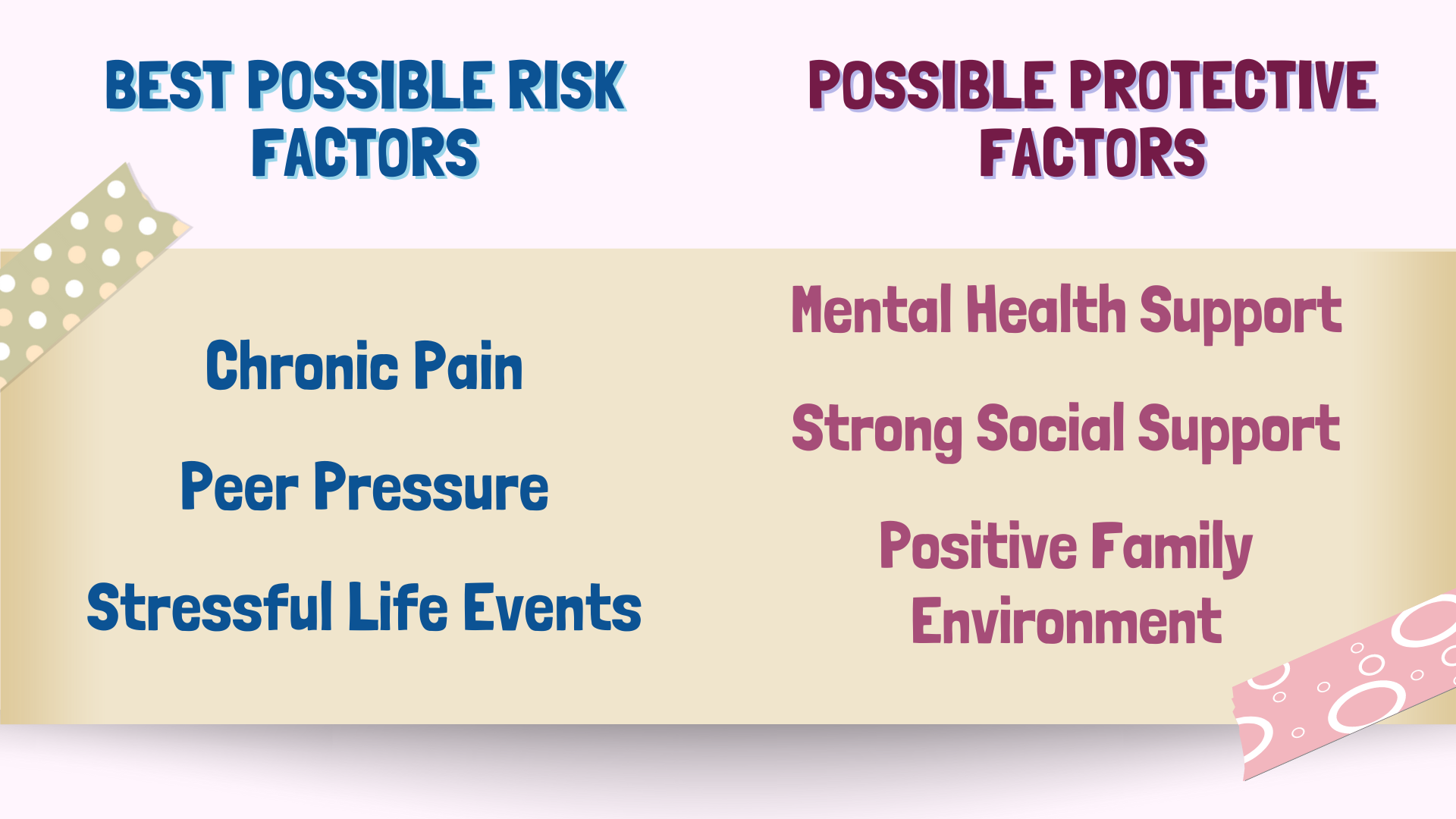
3. Students also learn about risk VS protective factors, determine what wellness looks like for them.
4. Students start breaking down the language of addiction and explore why language can isolate others; this gives students a chance to practice empathy.
The Basics
1. Level 5 marks the beginning of the discussion of the opioid epidemic in the United States, and how it affects us.
2. By learning more about the role of healthy habits in daily life, students build connections between responsible choices, and connections between mental health and addiction.
3. Practicing decision-making and identifying people in our 'Spheres of Influence' helps students conceptualize their control over the outcome of certain situations.
4. Finally, students are introduced to the final project they will complete for the course.
The YESS Classroom Model
YESS Professional Developement

Quick Links
Connect with us